


What to Expect After a Thai Massage
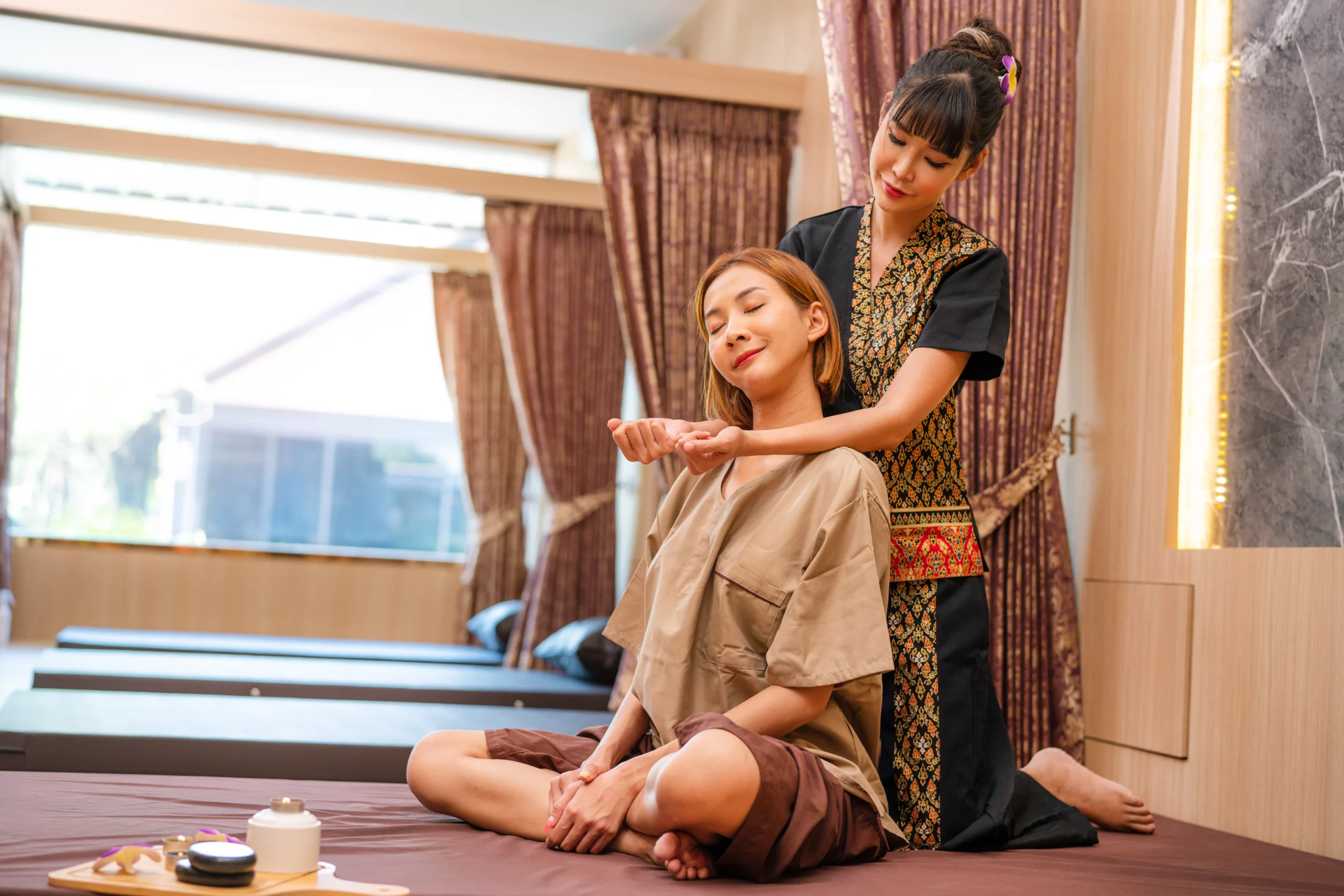
After a Thai massage, most people feel looser in the body, calmer in the mind and, in some areas, something similar to the muscle soreness you get after exercise. It isn't the same for everyone: it depends on how intense the session was, how you felt when you arrived and whether it's your first time. Here we explain what you're likely to notice at each stage, how long it lasts and when discomfort is no longer normal.
A traditional Thai massage is nothing like a relaxing oil massage. It combines firm pressure, assisted stretches and mobilisations, so the body responds differently. If you're torn between techniques, our guide to choosing a massage compares them.
Right after the session
The first thing most people notice is that the body feels looser and there's a calm you didn't have when you came in. Some people feel slightly dizzy when they sit up, which is normal after lying down for a while and doing several stretches.
The therapist works in rhythm with your breathing, which is why it's common to leave with that sense of calm. Many people describe it as "sleeping without sleeping": the body is awake, but the mind is moving at a different pace.
At Nuad, every session ends with the tea ritual. It's a good moment to stay seated for a few minutes, have a drink and not get up too quickly. If you have plans afterwards, leave yourself at least fifteen minutes.
In the first few hours
Feeling sleepy and thirstier than usual is common. Neither is anything to worry about.
The sleepiness comes because the body, after letting go of tension, wants to rest. If you can, slow down rather than pushing through.
You'll often hear that massage "flushes out toxins". It's a widely repeated idea in the industry, but there's no solid clinical evidence for it. What is true is that drinking water feels good after an intense session.
Is it normal to feel sore the next day?
Yes, especially if you don't usually stretch. Thai massage is often compared to a session of passive yoga: your body goes through stretches it wouldn't normally do on its own, and that can leave a feeling similar to the day after a workout.
You'll usually notice it where you were holding the most tension: back, legs or neck. It isn't sharp pain, more like the feeling of having stretched something that had been stiff for a while.
It usually passes within a couple of days. You'll feel it more the first time; with regular sessions, less.
How it can feel emotionally
Many people leave feeling calm for several hours, and some notice brief changes in mood, as if something besides tension had been released. It doesn't happen to everyone, or always in the same way.
This part of the experience is subjective and hasn't been measured clinically. What many people do say is that they leave feeling more relaxed, and that shows in their mood over the following hours. If you feel like being quiet for a while or your eyes feel heavy, that's normal.
How long these sensations last
Everything usually passes within 24 to 48 hours:
- First two hours: calm and a loose body.
- 2 to 24 hours: sleepiness and, sometimes, the first signs of soreness.
- 24 to 48 hours: if there's soreness, this is when it peaks before it starts to fade.
After that, the body goes back to normal, often with less stiffness than before the session. If the discomfort lasts well beyond two days, read the next section.
When discomfort is no longer normal
If the pain is sharp, doesn't improve within two or three days, or comes with large bruises, swelling or severe dizziness, don't put it down to the massage: speak to a healthcare professional. Pain concentrated in one joint, or losing movement you had before, isn't usual either.
Before the session, tell your therapist about any injury, health condition or pregnancy. And during the massage, if something feels too much, say so at the time: the pressure is adjusted to each person. If you're pregnant, we have massages designed for that stage.
How to make the feeling last
- Drink water and avoid alcohol for the next few hours.
- Don't eat anything too heavy straight afterwards.
- If you can, leave some time before anything that needs a lot of concentration or physical effort.
- The next day, a couple of gentle stretches at home help you avoid stiffening up.
If it's your first time, don't overthink it: the therapist adapts the session to how you arrive. All you need to do is let go.